Earth Recipes: How a World Would Think
Building accurate geospatial core reasoning with our concept of Earth Recipes


July 18, 2026
If this article interests you, consider reaching out. We’re actively looking for ambitious researchers to join our mission. This article is for a general curious audience.
Copper is everywhere, and everywhere. It's in your phone, your laptop, the charger on your desk, the motor in your car, and the energy grid that powers all of it. Copper is a fundamental material in nearly everything powering your life right now. Copper is also everywhere on Earth, distributed through the crust. The problem isn’t that copper is rare. The hard part is finding the right spots.
In the critical minerals industry, copper deposits are a low-yield operation. The prized targets are porphyry copper deposits. The difference between "the material exists somewhere" and "the material is right here" is the whole game in exploration and discovery, and it's a perfect way to explain how we want an LGM to think. We call the concept Earth recipes.
A recipe is a set of rules for how something comes to be. Copper deposits don't appear at random; they form where particular geological conditions coincide, for instance, certain rock formations, thermal and tectonic histories, and signatures you can look for. A great geologist explores by carrying the intuitive recipe in their head, and then applying it to ground they've never walked. Where the conditions of the recipe are satisfied, the likelihood of copper increases.
Core Reasoning
This is exactly the kind of reasoning we are building into our model Magellan-1.0. Rather than asking "where, in my training data, did someone label copper?" the LGM should ask "what is the recipe for copper, which attributes does that recipe depend on, and where on Earth do those attributes line up?" It scores the relevant attributes and surfaces the places where the recipe is most strongly satisfied. Knowing the recipes and the rules of the road, it infers a new situation from rules and reality.
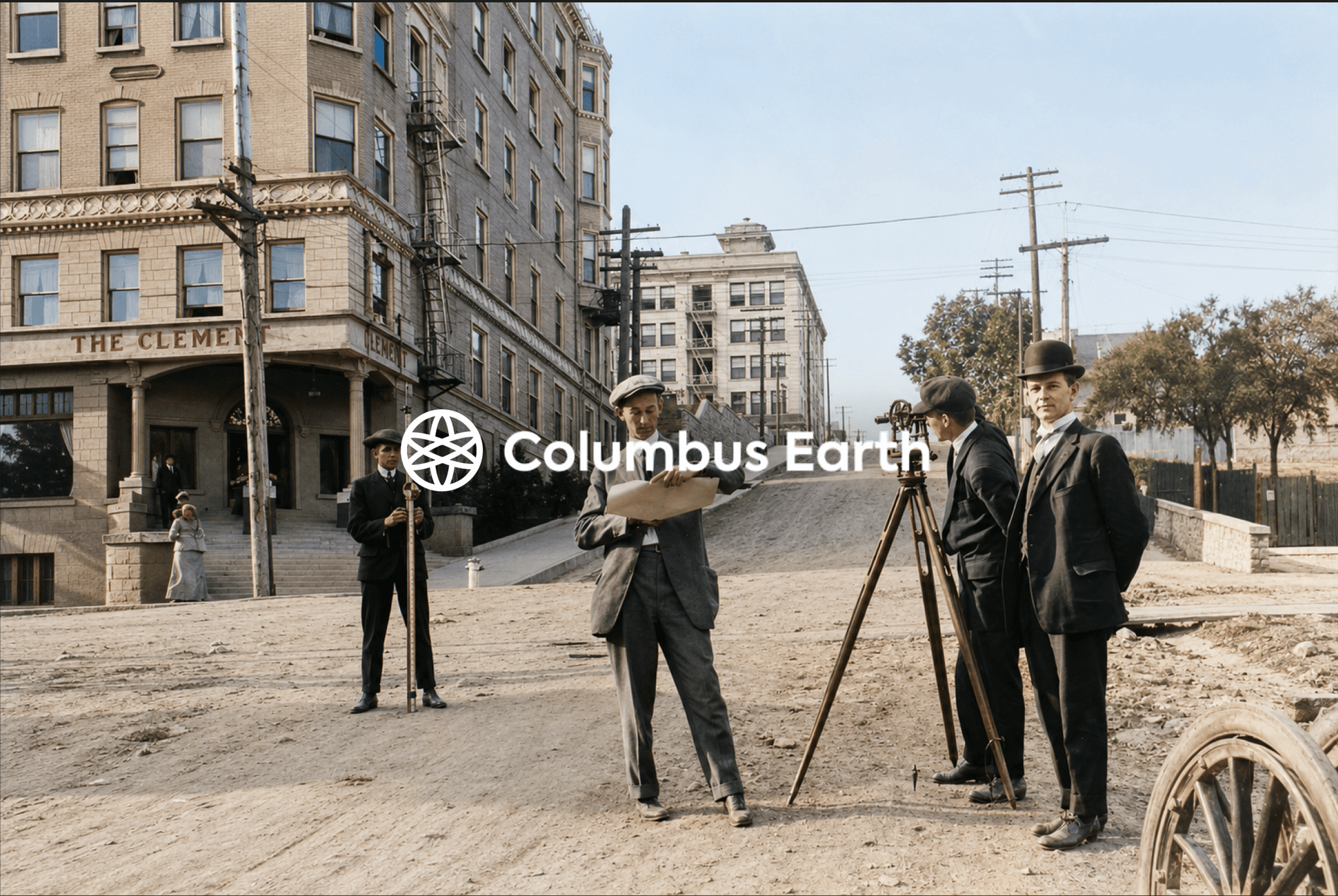
The mineral-exploration world already hints at how powerful this framing is. Josh Goldman, co-founder of critical-minerals AI company Kobold Metals, talks about an interesting point: rocks don't notably move. A meticulous geological survey from 1912, drawn by hand and then left to sit in a national archive for a century, can still be true today because the rock formations it recorded haven't gone anywhere. That dormant, century-old data, once digitized and reasoned over, can point toward a deposit nobody has touched. Read our article on utilizing Dormant data.
Use Cases; The recipe framing can scale across industries
- Want to know where a flood is likely? There's a recipe: topography, drainage, soil, precipitation, upstream conditions.
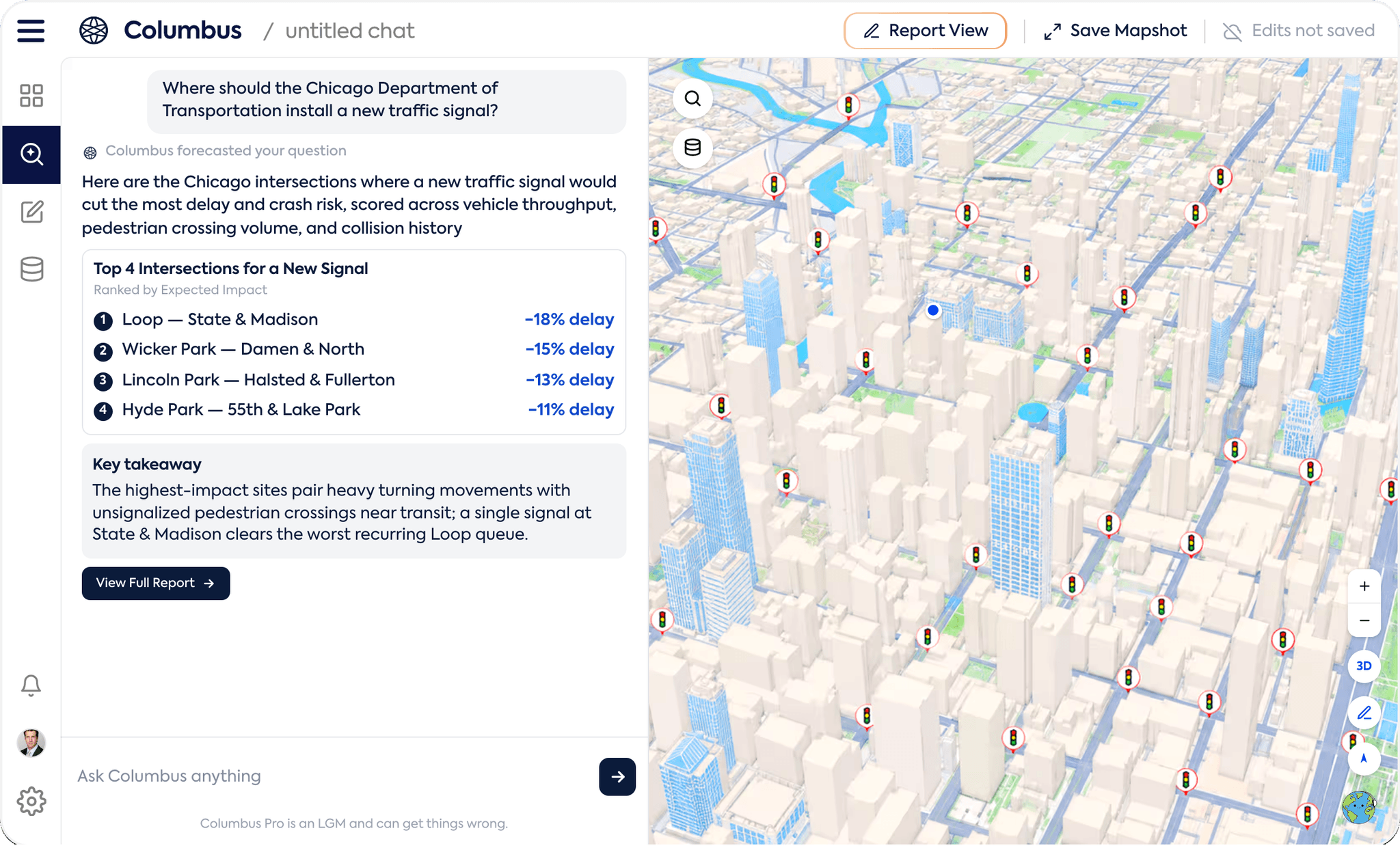
- Where does a higher concentration of accidents occur on a street? There's a recipe: cobblestone versus asphalt, curvature, a downhill grade, a speed sign, weather that makes the surface slick, the kinds of vehicles that pass and the wheels they ride on.
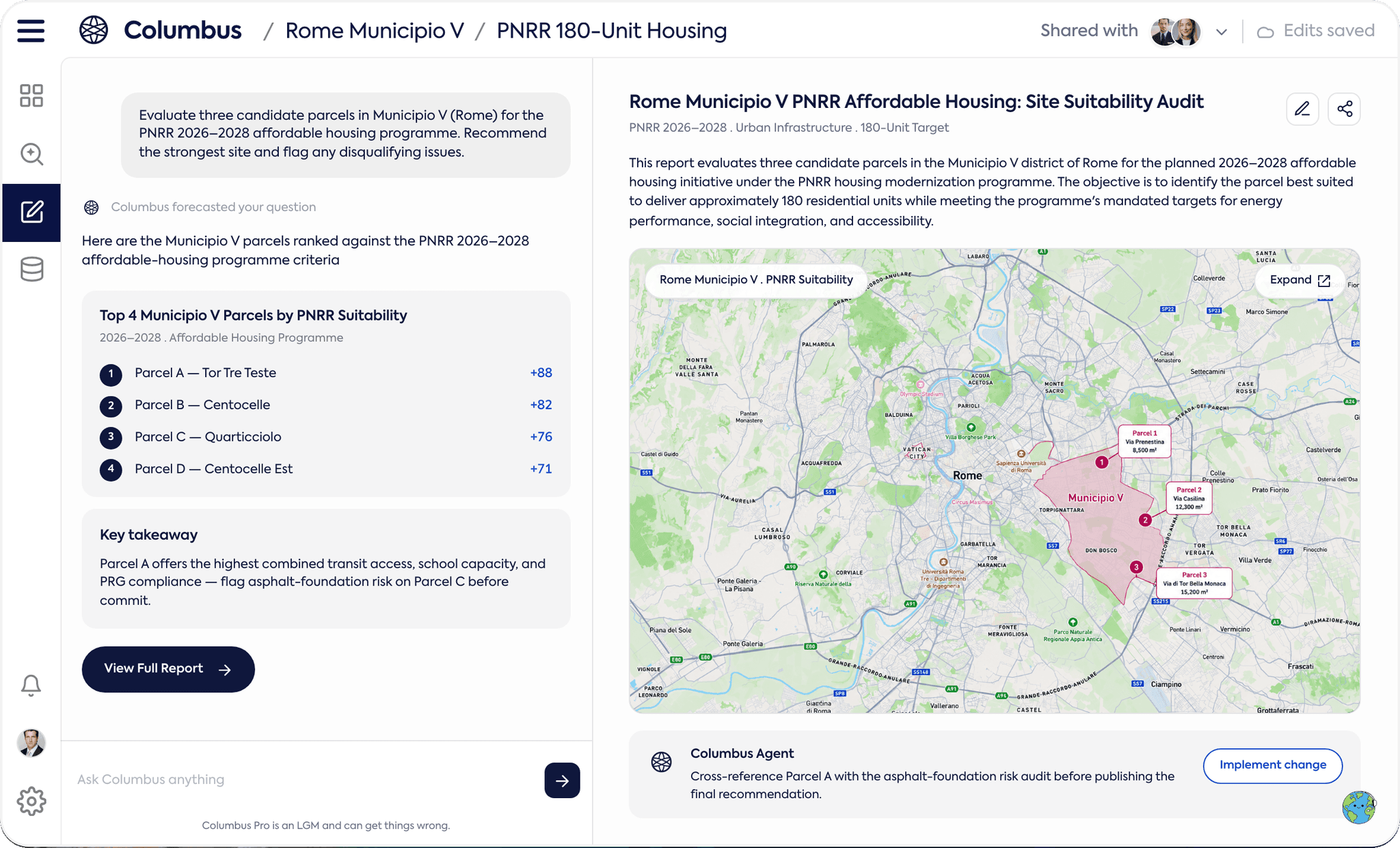
- Where a new business will thrive, where a species will be displaced by a mining project, where you can find the "romantic" part of a neighborhood (Elio app) – each of these is a recipe over attributes and each is something an expert intuitively reasons toward rather than ‘looks up.’
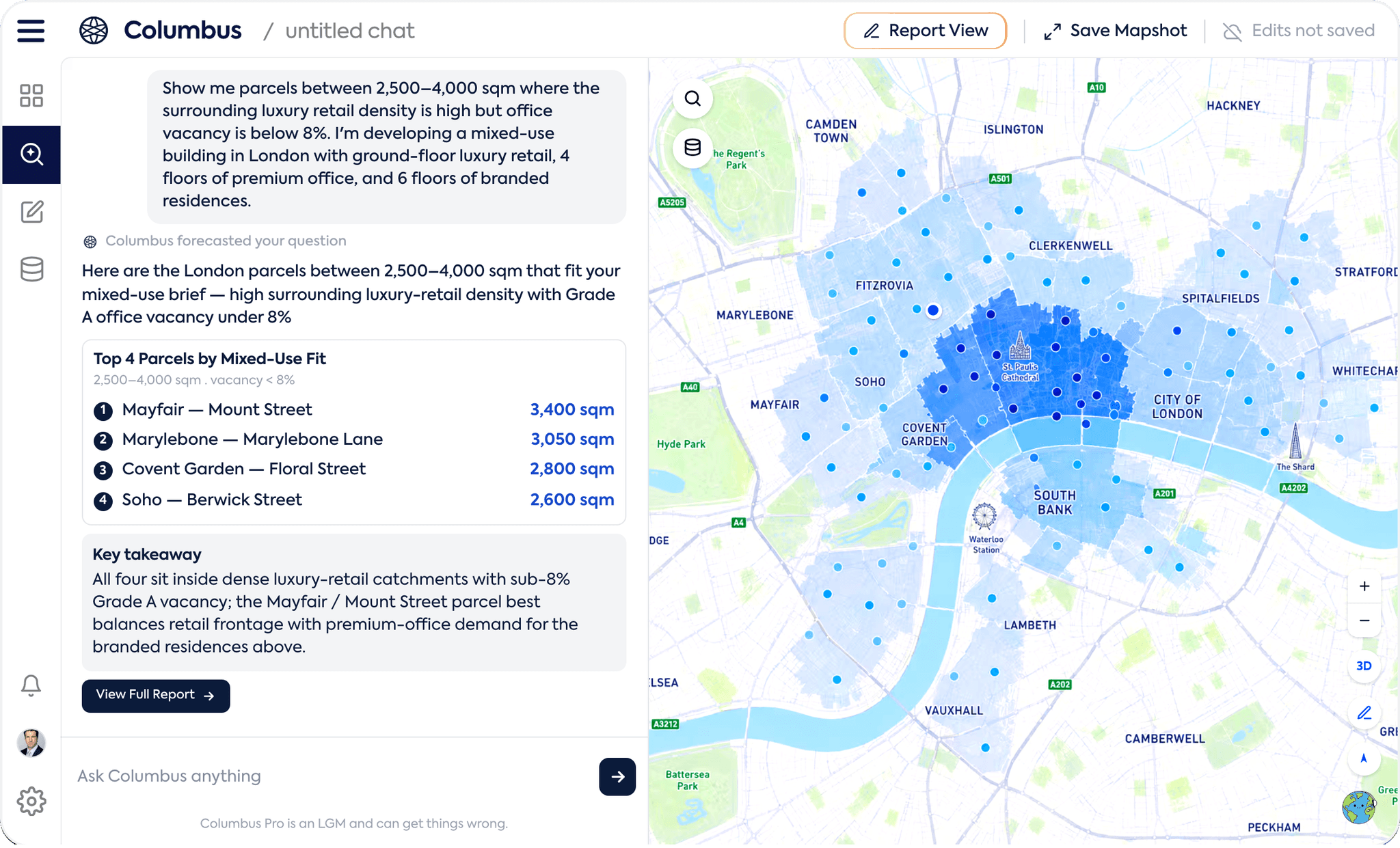
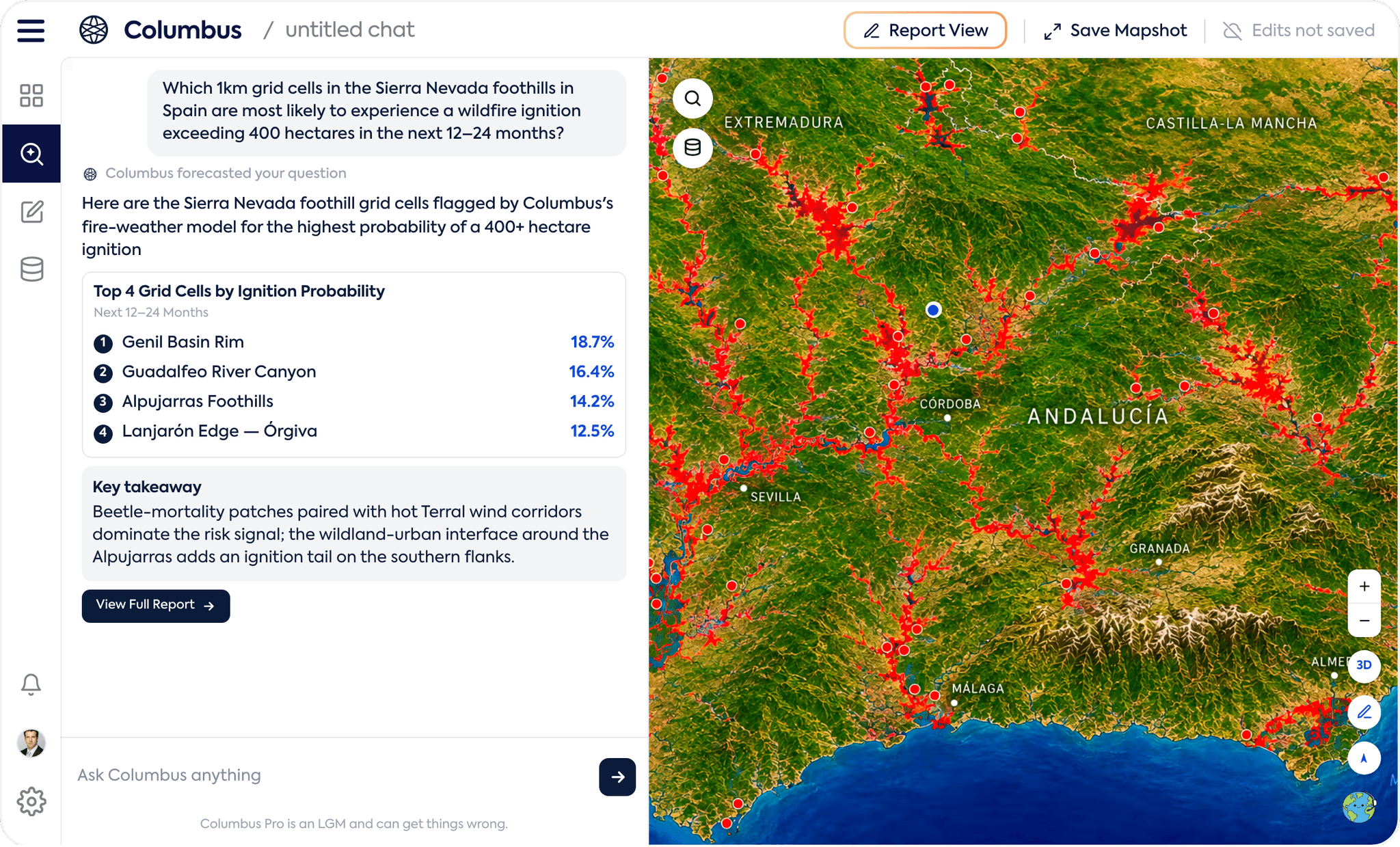
A model that learns underlying recipes can make discoveries beyond the observed data, uncovering deposits, risks, or other phenomena in regions with limited or no relevant data. And as the world electrifies and the demand for raw materials climbs, the value of discovery only grows. In contrast, an LLM with an MCP server is fundamentally constrained by the recorded data it can retrieve and cannot reliably infer patterns that have never been explicitly recorded. A recipe-based model generalizes from underlying patterns, allowing it to infer what is likely true even in under-observed regions.
That's how we believe a world would think. Not by remembering every fact about every place, but by understanding the rules well enough to understand an ever-changing patch of earth it has never seen.
If you’re interested in joining the voyage to develop this technology, come on board.